
Pharr Resident Lookup Record Coverage
There is no single official index of Pharr residents. Each official record answers a narrower question, so a useful name search joins records with different purposes rather than treating one hit as identity proof. A property result can connect an owner to a parcel. A court entry can show that a name appeared in a case. A historical item can document a past connection. Birth, death, and voter records carry their own access rules and should never be used as a shortcut around those limits.
| Record | What It Confirms | Where | Access |
|---|---|---|---|
| Tax record | A parcel, owner or mailing-address lead | Hidalgo County tax search | Official online route, with an accuracy caveat |
| Court index | A dated case, party role, court, and later entry | Hidalgo public access | Online copies are unofficial; clerks issue official copies |
| Voter status | Election-registration status for the person using the authorized tool | Texas voter information route | Protected fields and addresses stay restricted |
| Vital record | A permitted birth or death event, not current residence | Pharr City Clerk or Texas OVRA | Eligibility, ID, and record-age rules apply |
| Historical archive | A dated local name, school, event, or address reference | Pharr Memorial Library collections | Historical evidence, not current proof |
Use the record that matches the information already known. An address is a better starting point for the tax route. A case number is stronger than a common name for court work. A date, school, or organization can make an archive search more precise. When the purpose is formal proof, move from an online index to the custodian that issues a certified document.
Verifying a Pharr Resident Lookup
Anchor a possible match before adding more records. Compare at least two lawful details, such as the full name or a variant, an approximate age where available, an address, a parcel description, a school or organization, a relationship shown by the source, and the record date. A missing result is not proof that the person was absent. It can reflect a spelling change, limited portal coverage, an unscanned document, a protected field, or a different custodian.
- Start with the exact name, Pharr or Hidalgo County, and an approximate time period. Save the source URL and the date of the underlying record.
- For an address lead, use the tax search to preserve the parcel or account reference, the location address, and the owner or mailing lead without copying sensitive data.
- Check a second independent source. A recorded deed, dated newspaper item, court index, or permitted voter result can either support or weaken the match.
- Label historical evidence as historical. If an official recipient needs proof, ask the District Clerk, County Clerk, City Clerk, or other correct custodian for the certified record.
- Docket
- A court’s running list of filings, hearings, orders, and other case events. It is not a finding by itself.
- Index and image
- An index points to a record. An image is the scanned document or page, when one is available, and it still may not be certified.
- Certified copy
- A copy issued or authenticated by the record custodian for situations that require an official document.
Note: Separate the record date from the date an online system was searched, because a later upload does not make an older event current.
Pharr Resident Lookup Court Entries
The Hidalgo portal groups Criminal Case Records, Civil, Family & Probate Case Records, Court Calendar, Jail Records, and Jail Bond Records. Its online copies are expressly informal or unofficial. Current public field panels did not render during research, so search-field coverage and result columns should be confirmed with the clerk rather than assumed. County material says civil searches may use a case number, attorney name, party name, or case date range. A case number is the clearest key; without one, compare the name with the party role, filing date, court number, and later disposition.
The Hidalgo court public-access portal displays the available categories and its copy warning.
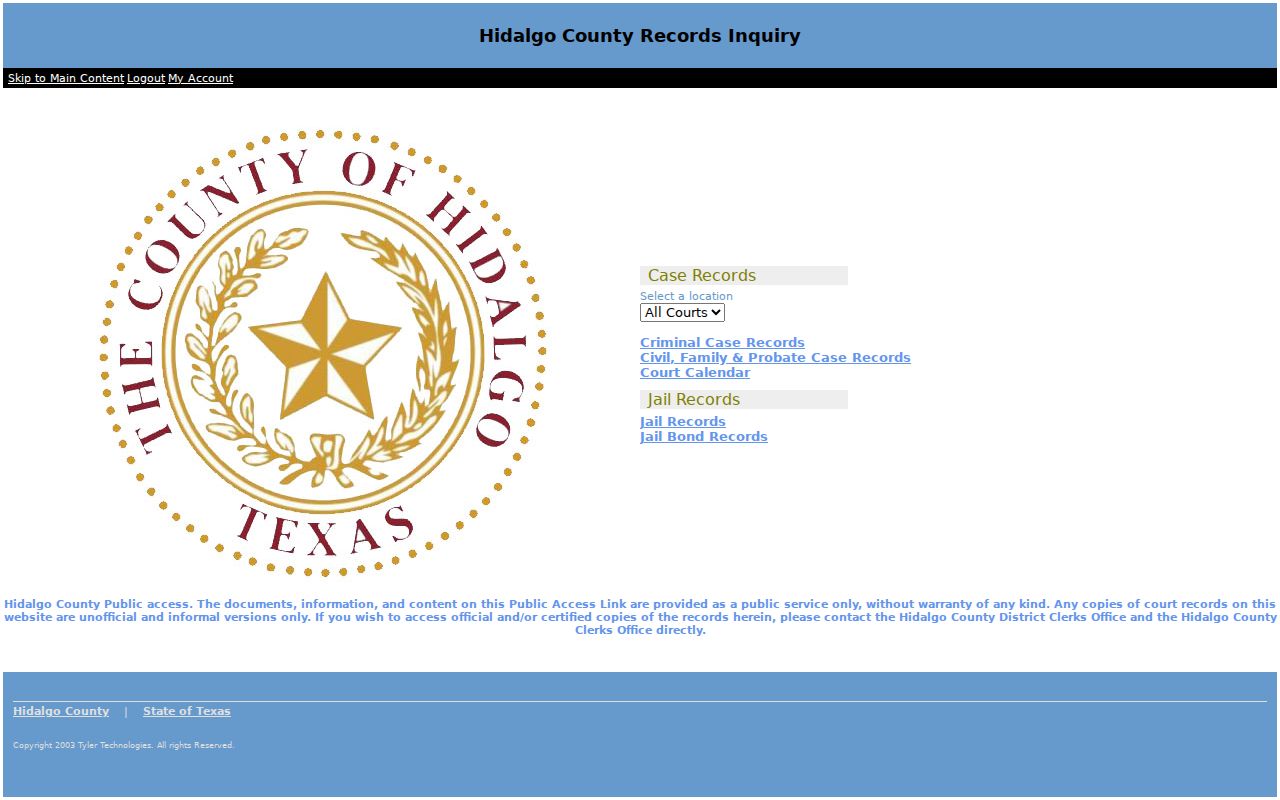
An online listing is a lead to review with care, especially where restricted, sealed, expunged, or unscanned material may be absent.
For citations and city ordinance or traffic matters, the Pharr Municipal Court search has separate citation, driver-license, Social Security number, vehicle, and name modes.
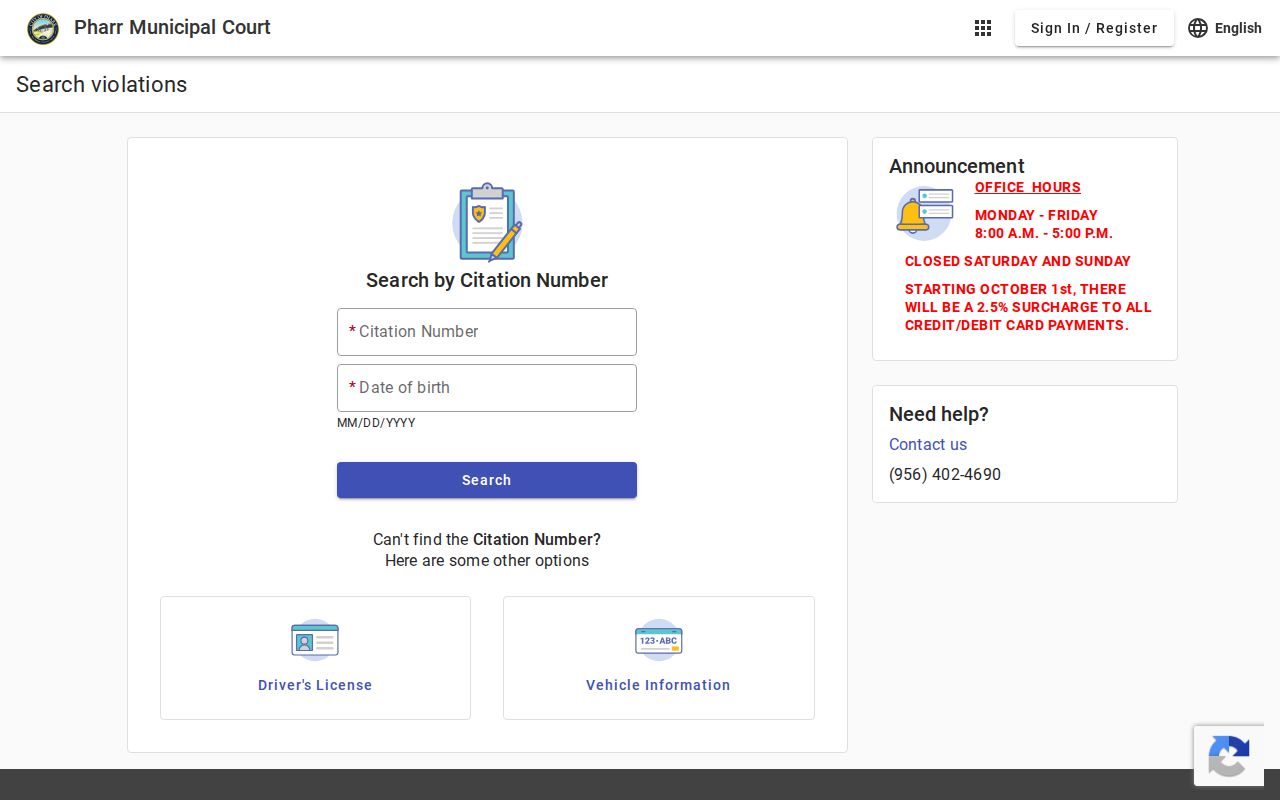
The name mode asks for first name, last name, and date of birth, while the other modes are identity-specific. The public form gives no coverage start date or sample result, so do not reproduce those identifiers or treat the portal as a broad directory.
Pharr Archive Names and Dates
Pharr Memorial Library’s Portal to Texas History partner collection supplies a local way to test a historical name. It has 764 items across four newspaper collections, with Guided, Advanced, and Proximity Search modes. Terms can be searched in Full Text, Metadata, Title, Subjects, Creators, or Names. The collection includes 312 Spanish-language items, so a surname or place may need both Spanish and English variants, followed by inspection of the page image when OCR is unclear.
Search the Pharr Press with a full name plus a street, school, organization, event date, or business. Preserve the item title, date, page or image, collection, and stable item URL. A newspaper notice can establish a dated relationship or civic connection, but it can be incomplete and does not establish present residence. For a longer historical trail, the verified collections remain distinct from the modern address work on the Pharr city directories.
Pharr Resident Lookup Status Records
State and federal custody systems are separate from Hidalgo court records and are not proof of a current Pharr address. Texas DPS provides a secure, name-based criminal-history route with required last and first name, optional middle or maiden name, date-of-birth options, search variations, and Soundex. Its result is not fingerprint confirmation. Use the record type only for its stated purpose, preserve the access date, and do not turn a status record into a claim about where a person lives.
The Texas DPS secure history search shows the name-search and account controls.
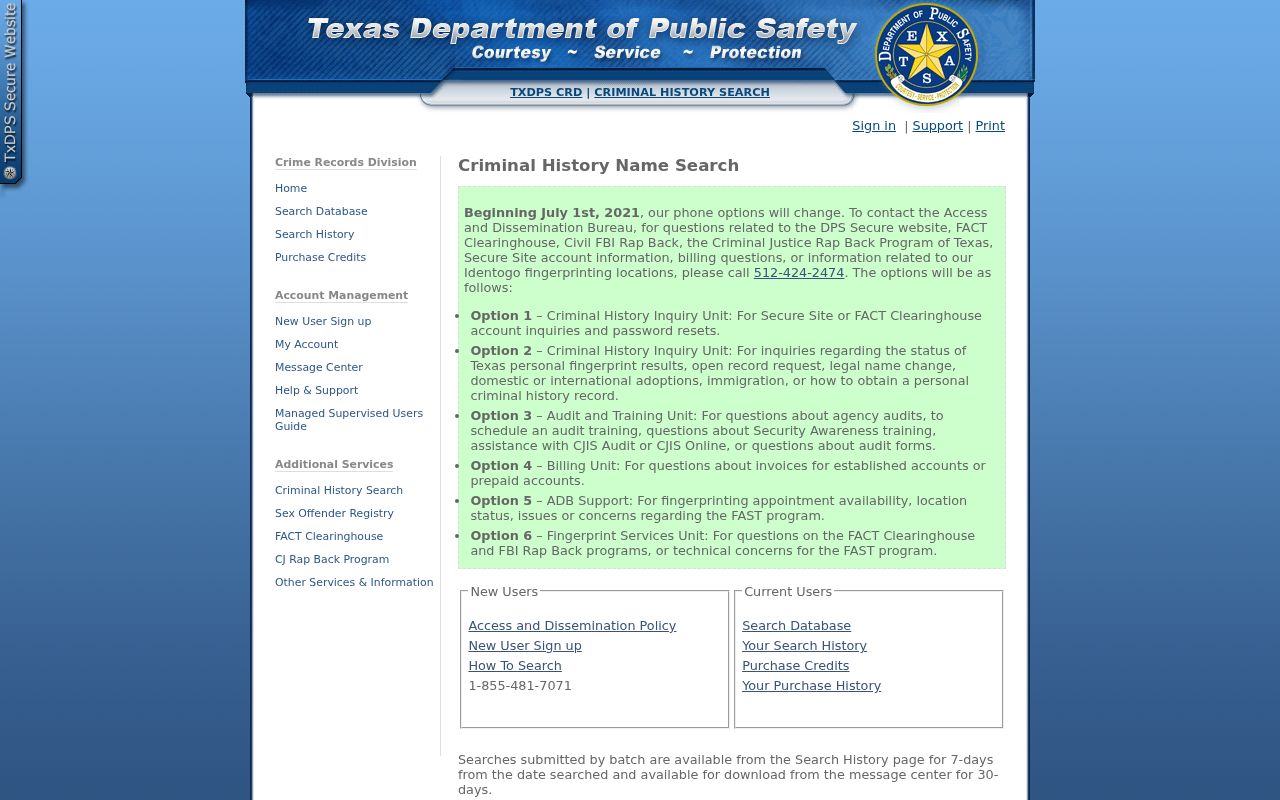
The published workflow also includes a mailed CR-42 form for a certified response, but a name search alone is not positive identification.
The TDCJ offender search accepts a name, SID, or current TDCJ number and permits a wildcard in the name search.
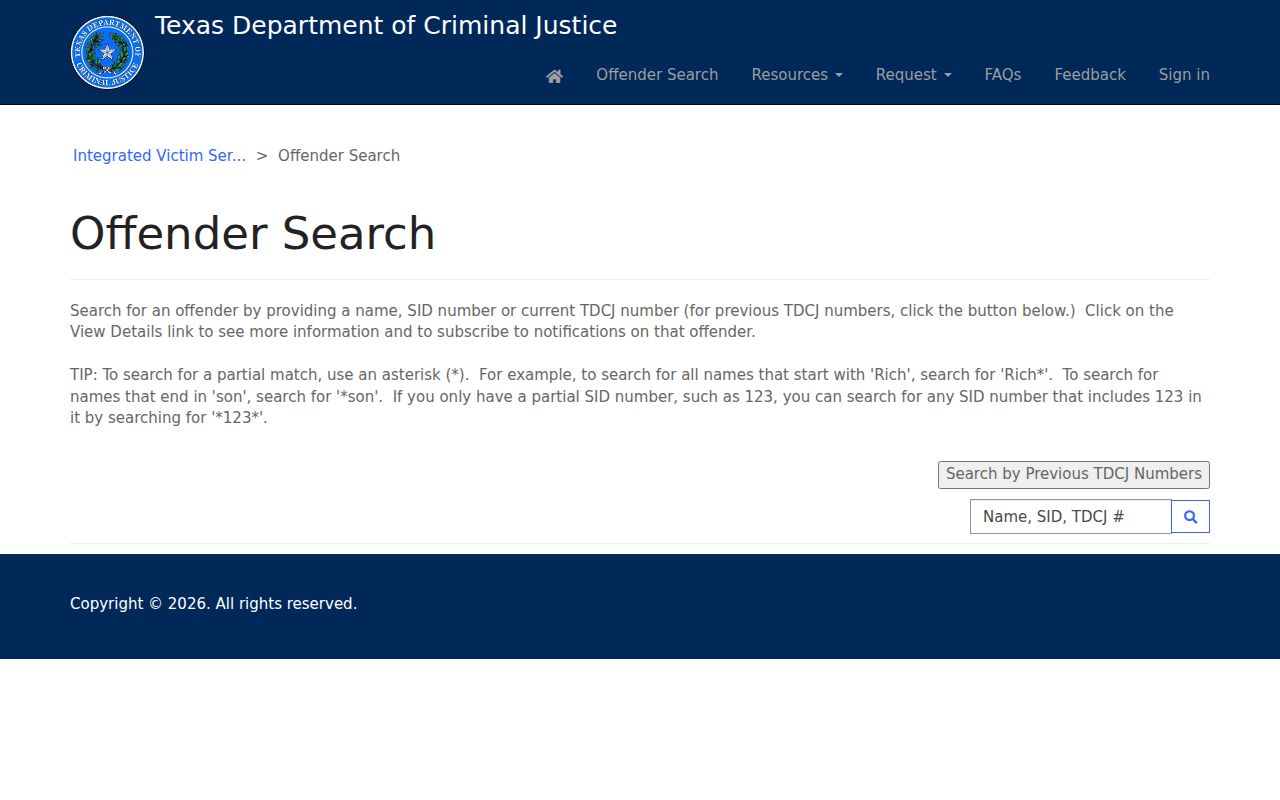
Details can include location, offenses, and a projected release date, all of which can change and belong to the state custody system.
The BOP inmate locator offers a number search and a name search with race, age, and sex filters.
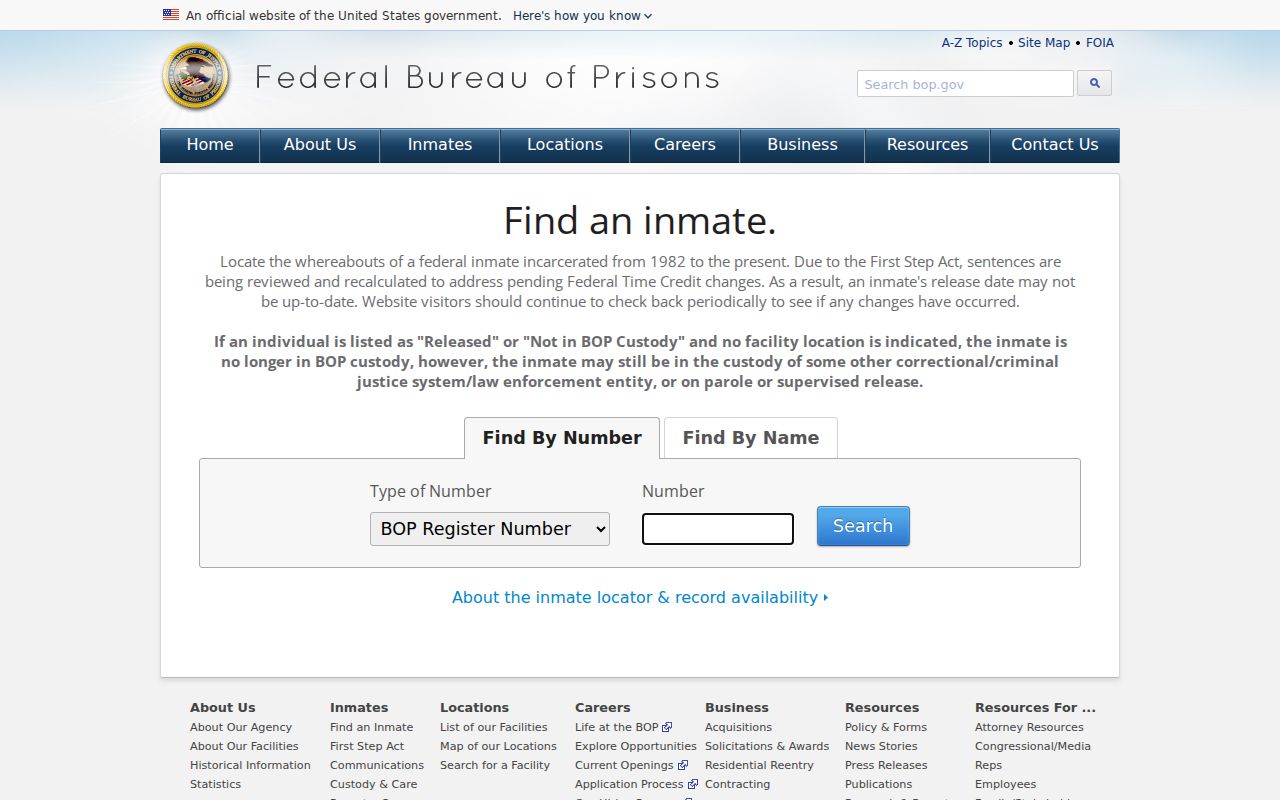
It covers federal inmates incarcerated from 1982 forward, and a release indicator does not identify present custody or present location elsewhere.
Pharr Resident Lookup Result Fields
Keep a compact record inventory instead of collecting every visible field. The official Hidalgo tax-resale report shows the sort of property-card fields that may appear: property or account ID, geographic ID, legal description, owner name, mailing address, ownership percentage, exemptions, location address, values, effective appraisal date, and print date. That inventory describes the card, not a person’s residency. A mailing address can differ from a parcel location, and a current owner need not be the grantee on an older deed.
| Field | Use it this way |
|---|---|
| Source and custodian | Shows who created or holds the record. |
| Underlying date | Places the result in time rather than implying a current connection. |
| Case, parcel, account, or instrument reference | Lets the correct custodian locate the specific record again. |
| Address or legal description | Distinguishes a location address from a mailing address and ties land records to the right parcel. |
| Access limitation | Records whether the item is an index lead, an image, or an official certified copy. |
A court docket should be read with the same restraint. A charge is not a judgment, a booking is not a conviction, and a court party entry may belong to a different person with the same name. The source date and the case disposition matter.
Pharr Record Request Routes
When a desired record is not online, ask for the existing record from the office that holds it. Pharr requires a written public-information request and accepts its online route, email at openrecords@pharr-tx.gov, fax, mail, or in-person delivery to the City Clerk. A focused request identifies the record type, person or address or case identifier, date range, department, and a choice between inspection and copies. The city does not have to create a document, answer a broad question, or maintain an ongoing request.
Hidalgo County also requires a written request for existing county administrative records. Its Public Information office accepts email, fax, mail, and in-person delivery, but a clerk-certified deed, marriage record, or court document follows the relevant Clerk route instead. For an eligible birth or death record, use the Pharr City Clerk or Texas OVRA process rather than a public-information request. If the goal shifts from one person to a full address chain, the Pharr by-street directory has the address-first path.
Pharr Resident Lookup Privacy Boundaries
Texas access rules do not make every field public. Social Security numbers, driver-license numbers, DPS ID numbers, protected voter information, victim identifiers, private medical details, and many juvenile, sealed, restricted, or financial court materials can be confidential or redacted. Texas voter guidance treats name, date of birth, voter ID, and elections voted as public in the stated context, but not how someone voted. A voter status is not a certificate of current residence.
Qualifying survivors, peace officers, and other eligible people can use voter address-confidentiality protections. A protected address may display as an asterisk or not be available in an ordinary county file. Do not use other public sources to reconstruct it. If an address or name is inaccurate, contact the original custodian for its correction or withholding route and retain the record URL, access date, and supporting document. Texas Penal Code §42.072 sets a serious boundary against repeated conduct that causes the required fear or distress.
Lawful use. A Pharr resident lookup is for personal research, family history, civic context, and record verification. Never use a record to stalk, harass, intimidate, or defeat an address-protection program.